Artikel
What can a freelance controller do?
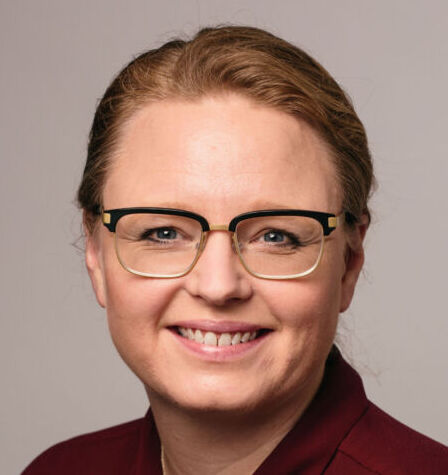
By Carsten Bjerregaard, CEO, Addcapacity.com
A controller is a key person in the company’s financial management and decision support. Where the accounts show what has happened, the controller helps to explain why – and what the next step should be. The function works closely with both the finance department and the business and uses data from ERP systems, budget models and BI tools to create an overview and direction. The controller ensures that management does not just have numbers, but insight that can be actively used in prioritization, resource allocation and performance follow-up. In practice, the controller is often the link between strategy and daily operations.
1. What does a controller work with in everyday life?
The controller’s everyday life is characterized by analysis, follow-up and dialogue. The task is to ensure that financial data is correct, comparable and understandable – and that deviations are detected in time. The controller works continuously with budgets, forecasts and reporting and focuses on the factors that affect the company’s performance. A significant part of the work consists of asking the right questions: What is driving the development, and where should action be taken?
Daily work areas
- Budget follow-up and forecast
- Analysis of deviations and trends
- Management reporting and dashboards
- KPI follow-up and performance analysis
- Dialogue with the business about numbers
From practice: In an operating organization, the controller can quickly identify deviations in costs and enter into dialogue with the department before the development becomes a problem.
2. What are the most important tasks – where the effort makes a difference?
The controller’s greatest value arises when financial data is translated into action. It is about focusing on the most important drivers and giving management a clear basis for decision-making. A strong controller contributes to resources being used where they create the most value, and to inefficiencies being made visible early. Here, controlling becomes an active part of management – not just a reporting exercise.
Where the controller creates impact
- Early warning of deviations
- Focus on profitability and efficiency
- Prioritizing the right KPIs
- Supporting strategic choices
- Clear communication of financial insight
A concrete example: In the event of falling contribution margins, the controller can analyze whether the cause lies in price, volume or costs – and point out where the effort should be made first.
3. What distinguishes a strong controller from an average one?
The difference is rarely in the technique alone. A strong controller understands the business behind the numbers and manages to communicate insight in a way that creates action. Where an average controller delivers reports, the strong controller delivers recommendations. At the same time, the ability to prioritize is crucial: not all numbers are equally important, and overview beats details in management’s everyday life.
Characteristics of high quality
- Business understanding and holistic view
- Proactive and forward-looking analysis
- Clear and action-oriented communication
- Focus on a few, significant key figures
- Close collaboration with management
In practice: A strong controller will often simplify reporting and supplement it with short explanations and clear recommendations.
4. What tools does a controller typically work with?
The controller’s tools are the foundation for analysis and overview. What is crucial is not the complexity, but the quality of the data and the coherence between the systems. Many controllers work with automated reports, so that time can be spent on analysis and dialogue rather than manual data processing.
Typical tools
- ERP systems and data bases
- Budget and forecast models
- BI and reporting tools
A practical picture: With an updated dashboard, the controller can give management a weekly overview of performance without heavy reports.
5. How does a controller create value – which KPIs are relevant?
The controller’s value can be measured by how well the company is managed and responds to changes. The most relevant KPIs are those related to performance, efficiency and predictability. A good controller helps define these KPIs and ensure that they are actively used.
Relevant KPIs
- Contribution margin and cost development
- Budget deviations and forecast accuracy
- Productivity and capacity utilization
An example: When forecast accuracy improves, management gains greater confidence in the figures and a better basis for investments.
6. Who does the controller collaborate with – and why is collaboration key?
The controller works across the organization. Collaboration with department heads is crucial to understanding operations, while dialogue with the CFO and management ensures that the analyses are used strategically. Good collaboration is built on mutual understanding and respect for each other’s perspectives.
Important areas of collaboration
- CFO and management
- Department managers and project managers
- Accounting and finance function
A specific example: When the controller and operations manager continuously discuss key figures, adjustments can be made quickly and with a common understanding.
7. What is happening right now in controlling?
Controlling is developing in line with increased digitalization and automation. Standard reporting is taking up less space, while the requirements for analysis, business understanding and advice are growing. The controller is increasingly expected to be a sparring partner rather than a report supplier.
Current trends
- More automated reporting
- Greater focus on decision support
- Closer integration with the business
In practice: Many controllers today spend more time in dialogue with management than on producing reports.
8. Getting off to a good start – input for your briefing
A clear briefing is crucial for an effective controlling effort. It should be made clear which areas are most important and which decisions the controller must support. The clearer the priorities, the faster value can be created.
Good points to clarify
- The most important drivers of the business
- Requirements for reporting and analysis
- Collaboration surfaces and decision-making processes
An example: If the focus is better cost management, this should be clear from the start, so that analyses are prioritized correctly.
Conclusion – when a freelance controller is a strong solution
A freelance controller can be a flexible and effective solution when there is a need for additional analysis capacity or enhanced financial insight. The start-up is quick, the collaboration is close, and the cost is often lower than with traditional consulting firms. Some freelance controllers work very hands-on with analyses and reporting, while others primarily contribute with structure, prioritization and sparring with management. Addcapacity.com helps identify three qualified candidates who match both professional needs and the scope of the task – completely without obligation.
Kom hurtigt i kontakt med top-kandidater, der matcher dine opgaver
Få 3 stærke kandidater